No content results match your keyword.
Content
You have successfully logged out.


In your hands
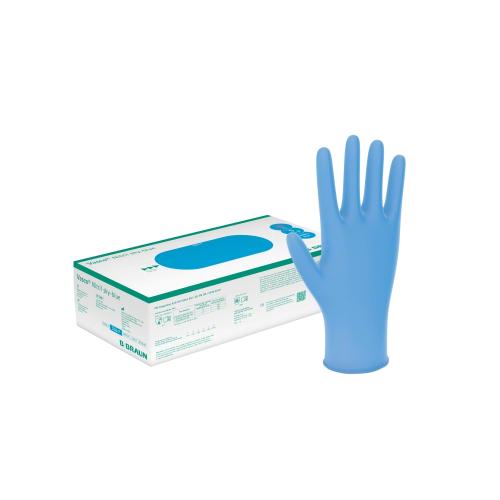
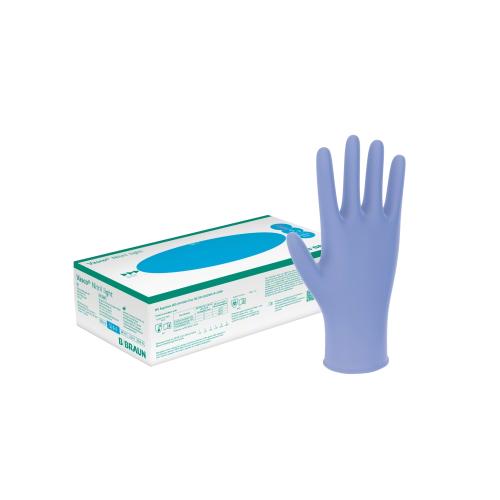
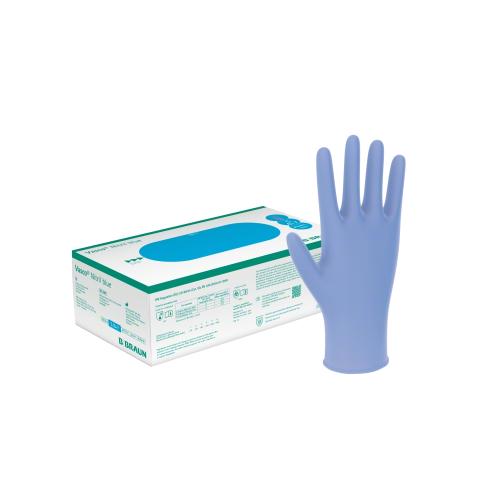
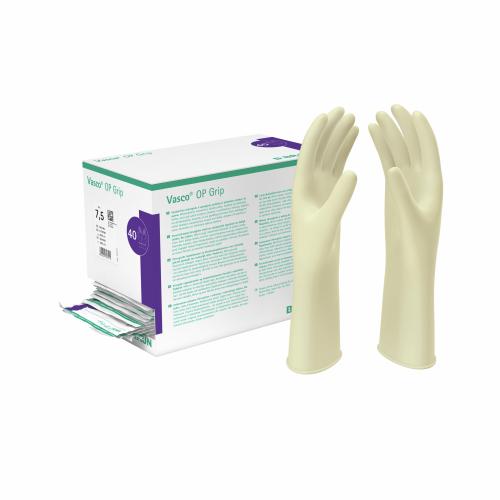
Hardly any tool can be as closely associated with hygiene in the veterinary practice and clinic as the medical examination glove. It is almost indispensable in every area. On the other hand, the sterile surgical glove is an important preventive measure in areas where protecting patients and staff also has a high priority. B. Braun offers a wide range of protective gloves for a wide variety of requirements and uses. These include those with excellent barrier properties against common cytotoxic drugs, selected medications and chemicals.
Gloves can generally be classified as either a medical device (MD) or personal protective equipment (PPE). These primarily serve to protect both the patient and the wearer. PPE protects the wearer from chemical and physical risks as well as biological substances.1
Urinary tract infections are among the most common NI/HAI in veterinary medicine with an incidence of 10 to 32 percent. 1-5
One cause for an underlying increased incidence might be that the urinary catheter is disturbing the physiological drainage and barrier function – the urinary bladder is normally fully deflated during micturition and the formation of a mucus layer on the urinary epithelium provides further protection. The urinary catheter prevents the bladder from emptying completely. In addition, urine collects at the bottom of the bladder in the area of the balloon. When placing the catheter, micro lesions can develop in the urethral epithelium and the integrity of the mucus layer can also be impaired. Placing the catheter may also allow initial bacteria of the periurethral flora to enter the bladder.

B. Braun offers powder-free alternatives made from natural latex, nitrile, vinyl or polyisoprene to minimize the risk of skin intolerances and allergies. We recommend using powder-free gloves at all times.
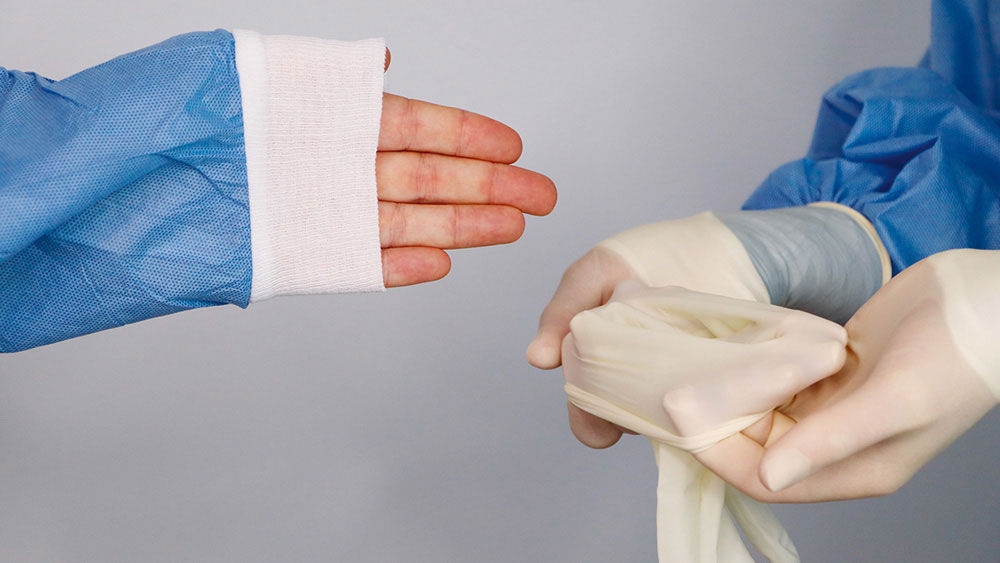
Together with veterinarians and experts, we have gathered many practical step-by-step guides, trainings and videos on this page. These resources can help in everyday practice to prevent infections in veterinary clinics and animal hospitals.Depending on the activity, gloves are worn in the following situations:
Further tips on protecting and caring for your hands can also be found in the recommendations of the Employers’ Liability Insurance Association for Health Services and Welfare Care (only available in German).
Download nowGloves are no substitute for hand hygiene and do not provide complete protection against contamination, so hand disinfection must be carried out according to the 5 moments for hand hygiene even when gloves are worn. Hand disinfection is always indicated after removing and changing gloves. Hand disinfection is also carried out before gloves are put on prior to any aseptic activities.
Learn more
The choice of gloves should be in line with the specific activity and/or the respective hazardous substances. Details can be found in the data sheets for the respective products.
Vasco® Medical Gloves
Vasco® Medical Gloves In veterinary medicine
link
Donning and doffing of medical examination and protective gloves
Step-by-step guide
link
Putting on gloves – Sterile surgical gloves
Step-by-step guide
link
Protective surgical wear – Surgical scrubs
Step-by-step guide
link
Vasco medical gloves
Step-by-step guide
link